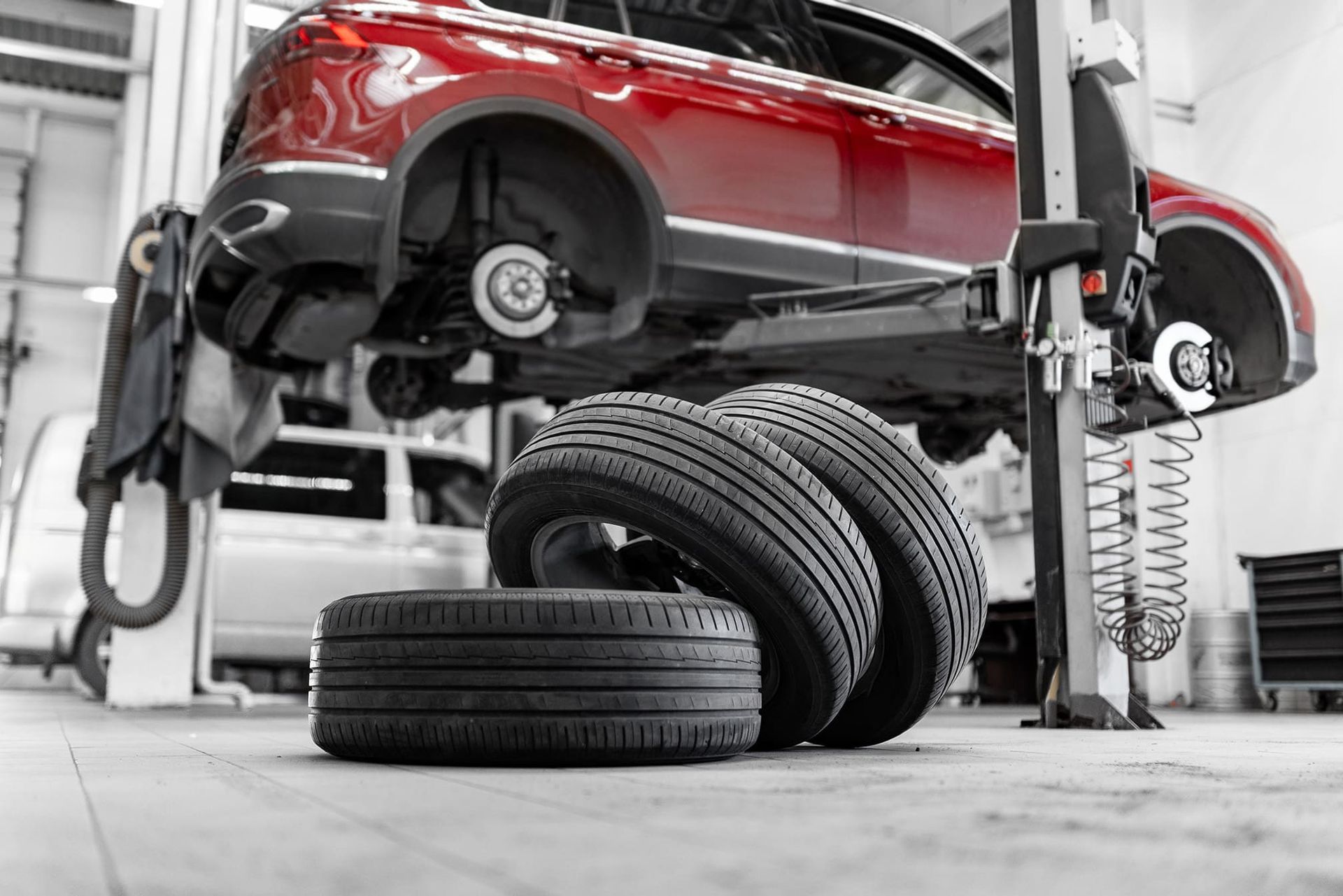
It’s just common sense that your vehicle will drive better if all the wheels are lined up with each other and the road the way the engineers intended. When they’re not, that is called being out of alignment. Here are some signs that your alignment has problems. Your steering wheel isn’t straight when your vehicle goes straight down a straight road. This one’s pretty easy to notice. If your vehicle’s logo on the wheel is tilted, that’s probably not the way designers wanted it to be. Bring it in and have us check it out. Your steering wheel is vibrating on a smooth road or when you are accelerating. While this could be caused by several different things, one possibility is misalignment. If your steering wheel is shaking, it should be examined by a trained technician. Your vehicle is pulling to one side without you wanting it to. Sometimes the configuration of the road will cause it to pull slightly left or right. But if you find yourself constantly correcting course to keep your vehicle headed straight down the road, that’s worth having us look at your alignment. You’re going through tires like there’s no tomorrow. The tread on your tires should be wearing nice and evenly from the outside to the inside of the tire. If the wear isn’t even, it could be your vehicle needs an alignment. We have equipment designed to quickly and accurately measure your vehicle’s alignment. We can make precise adjustments to make sure you are headed straight where you want to go. Have your alignment checked regularly. It can help prevent more serious problems in the future and make your vehicle drive as beautifully as you remember it used to. Tuffy Northville 598 S. Main St. Northville, MI 48167 248-587-8558 http://tuffynorthville.com
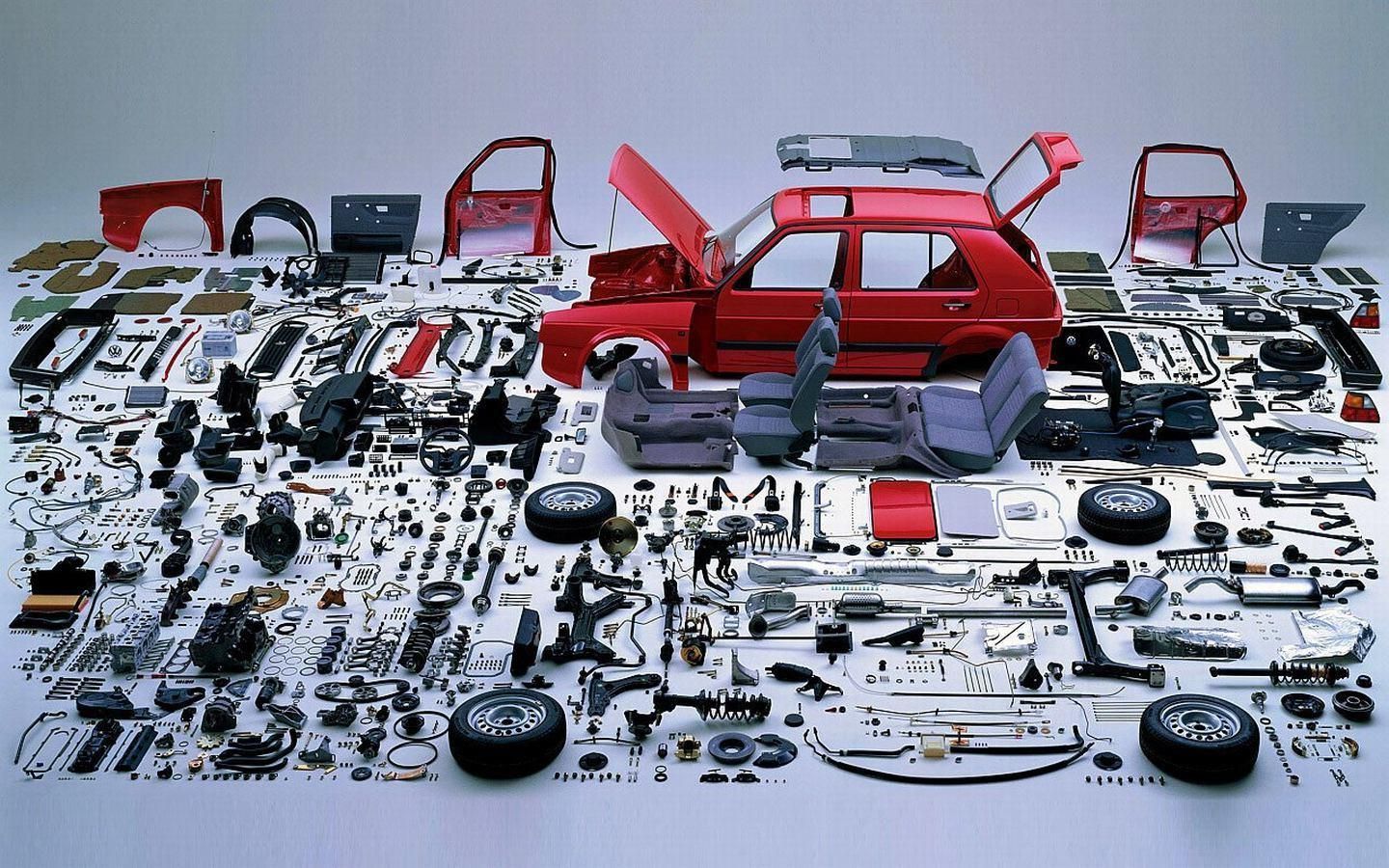
Let's face it. Vehicles are complicated machines, each having thousands of parts. And since they're subjected to heat, cold, vibrations, bumps and much more, these parts wear out and need to be replaced. When your service advisor says you need a new part, you may have many options. Let's say you need a new muffler. One choice would be to get exactly the same part that was installed when the vehicle was manufactured. The advantages are that it will perform the same way as the one it's replacing and will likely last about the same amount of time as the original. Some mufflers are made by the same companies that supplied the automaker when your vehicle was new (they call that an OEM part—Original Equipment Manufacturer). And often those are the same as the part you'd buy from a dealer. A reputable vehicle service facility will know which ones these are because they replace mufflers all the time and do their homework. The good news is there are many different mufflers available from several manufacturers. These are called aftermarket parts. Some of them may use different metals or a different construction technique. Some may sound a little sportier while some may make your engine perform better. Your service advisor will discuss what your driving habits are and help choose the part that's best for you. You may be able to get a part that's better than the one originally installed. Here's an example. A repair shop discovered one owner's vehicle had developed cracks and leaks in the hoses that attach to the heater core. They were made of plastic, and heat and pressure had caused the originals to crack. The service advisor recommended they replace it with an aftermarket part that was made of aluminum instead, one that was more durable than the original part. Some aftermarket parts cost more, some cost about the same or less. Depending on how and where you drive and what you want out of your vehicle, you can decide to buy more economical parts which might be the best fit for your needs. Or you may decide to upgrade to a better, more expensive part. Tuffy Northville 598 S. Main St. Northville, MI 48167 248-587-8558 http://tuffynorthville.com
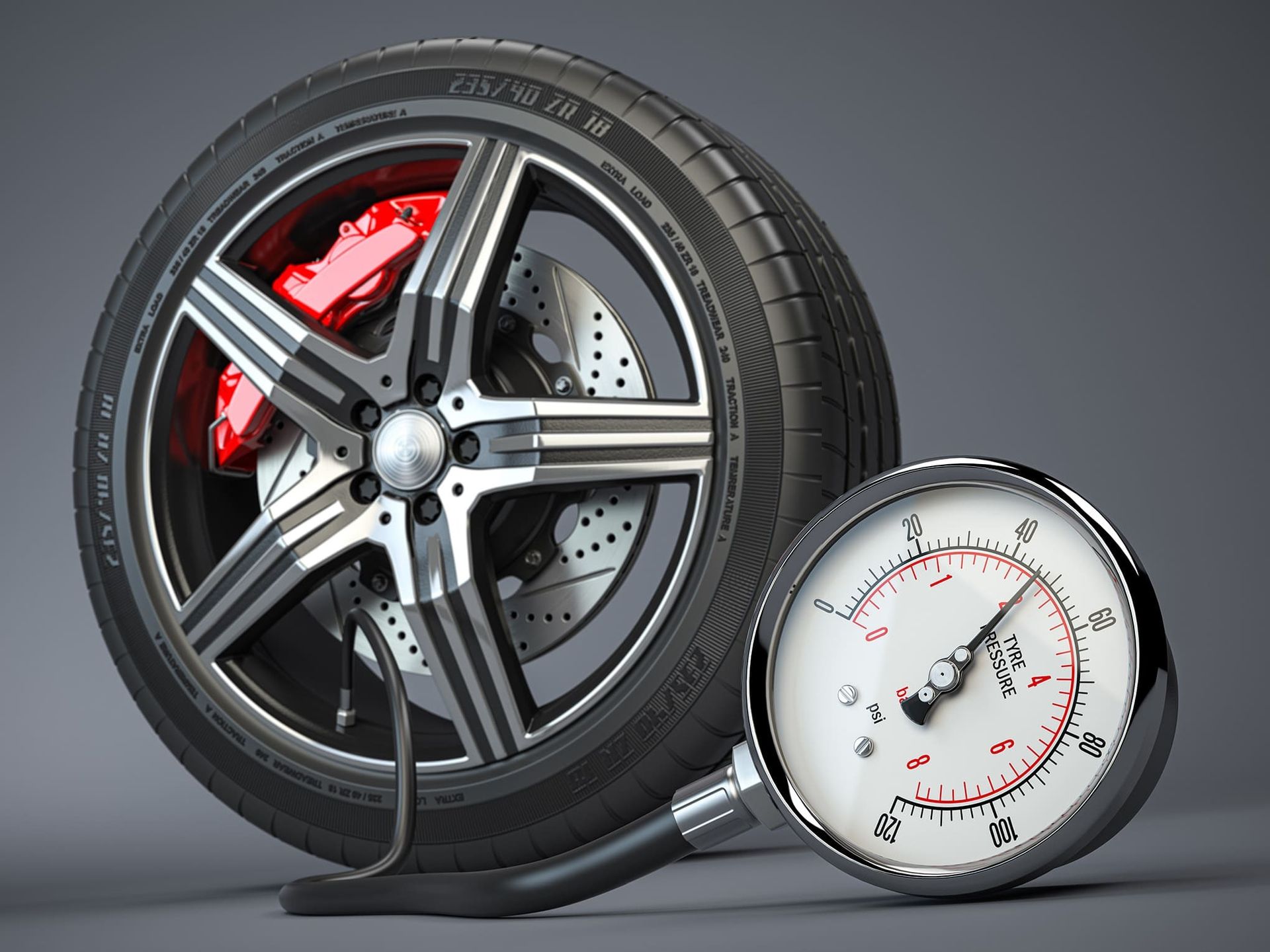
Most light vehicles (under 10,000 pounds/4,500 kg) in North America sold from 2008 model year on have a feature that many people are confused about. It's the tire pressure monitoring system (TPMS). You may have some experience with it yourself if you own a newer vehicle. Vehicles with TPMS have sensors in each tire that are supposed to warn the driver when tire pressure gets dangerously low. That's important because tires that are significantly under-inflated can cause very serious accidents. Unfortunately, many drivers think the TPMS does all the work keeping track of tire pressure. To them, as long as the warning light or gauge isn’t giving a warning, the tires must have the proper amount of air pressure in them. That's not the case. Tire pressure monitoring systems aren't all created equal. Some give you a digital readout of the pressures in each individual tire. But many simply have a warning light that looks like the cross section of a tire with an exclamation point in the middle. If you don't know what it is, it's because it's not instantly recognizable as a tire. In fact, one company that makes TPMS, Schrader Performance Sensors, surveyed drivers. Their study showed that more than 40 percent of drivers didn't know that that warning light was. One out of 5 of the drivers who did know what the light was only looked at their tires after the light came on to see if they could see any that needed air; they never checked them with a tire gauge or had someone else do it. Ten percent of them didn't do anything when the light came on. In most vehicles with TPMS, the warning comes on only when the tires are more than 25% underinflated. The American Automobile Association says that's under the pressure you need for safe vehicle operation. The bottom line is once a month you should make sure your tires are inflated to the manufacturer's recommendations. That means each tire should be measured with an accurate, external tire gauge. To be confident you are getting a correct reading, take your vehicle to a reputable service facility where their equipment is calibrated and they know what they're doing. Severely underinflated tires can contribute to an accident that kills or severely injures people. The idea behind TPMS is well intended, but the system was never meant to replace regular inflation measurements and maintenance. Periodically have your tires checked for proper inflation. Tuffy Northville 598 S. Main St. Northville, MI 48167 248-587-8558 http://tuffynorthville.com

Whether we're trying to save money, save gas or save the environment, most of us Northville drivers have an interest in decreasing fuel consumption . We've all heard about ways to save money on gas in MI, but does it really add up to much? How much can we boost our fuel economy through preventive maintenance and more courteous driving? The US government has a website that actually answers that question. Let's look at some of the data and find out if any of these fuel-saving ideas are really worth the effort. We've all heard that a tune-up can improve gas mileage. It turns out that it can save us 4% at the pump. At $3.50 a gallon, that's 14¢ per gallon in savings, and at $4.00 a gallon, that's a 16¢ per gallon savings. Other common repair items can also save you at the pump. For example, if your oxygen sensor is faulty, it's not delivering the information to your engine's computer that allows it to calculate the right fuel-to-air ratio. The result? The fuel doesn't burn efficiently. Replacing that faulty sensor can save you 40% at the pump. That's certainly a reason to improve your car care and have the automotive professionals at Tuffy Northville inspect things once in a while. A faulty oxygen sensor will activate the check engine light. So will a lot of other problems that are big fuel wasters. Finding out why your light is on and fixing the problem will also improve your fuel economy. Bring your car into Tuffy Northville in Northville and we will take care of it for you. What about tires? Northville drivers have all heard that keeping them inflated will improve our gas mileage. True? Yep. It's a 3% savings for that one. And even small drops in tire pressure can start to add up, so a weekly tire check is in order. Using the correct weight in motor oil is another way you can save at Northville area gas pumps. It adds up to a 2% savings. What about that courteous driving? That doesn't cost us anything and doesn't require our Northville service center to implement anything. Is it worth the bother? Again, the answer is yes. Sudden acceleration, such as charging away from stoplights, sudden stops and quick lane changes all add up in lowered fuel economy. Taking it easy when you drive on MI roads amounts to a 5% savings around town and a whopping 33% savings on the freeway. Is it worth your time to slow down? How much do you get paid? Speeding is another way we ding ourselves at the gas pump. We've all heard that it's okay to drive five miles over the speed limit, but that actually hurts our wallets. Eventually it could add up to more than a speeding ticket. An extra five miles over the speed limit ends up costing us 7% per gallon. Fifteen miles over? 23% Now there's a reason to slow down . Another thing Northville vehicle owners can do to improve that costs nothing is to toss the junk out of our trunks. In other words, clean out the car and stop hauling around non-essentials. Don't treat your vehicle like a storage locker. Dumping one hundred pounds of extra weight adds up to a 2% savings at the pump. So when you tell someone you were going somewhere anyway and they're welcome to come along, that's okay. But if someone tells you they need to come along and it's no harm to you since you were going anyway—well, now you can tell them, “Sorry, dude, but you're an extra fifteen cents a gallon!” All joking aside, let's all do ourselves a favor and fatten up our wallets by practicing good car care and better driving habits in MI. Tuffy Northville 598 S. Main St. Northville, MI 48167 248-587-8558 http://tuffynorthville.com